


I get asked this a bit, so I thought I'd write it down so it will be easier to share.
I've been doing it at some level since high school, but to be honest, I truly sucked at it then. My dad had a Mamiya/Sekor 35mm camera. I used it in the mid 70's till I graduated from high school in 1977.
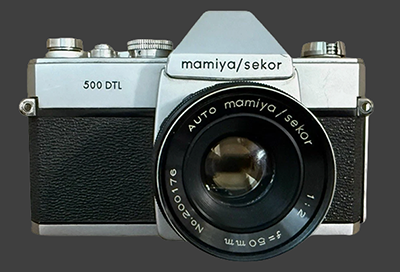
I can't be sure, but this camera was likely the 500DTL, introduced in 1968. It was essentially the less-expensive sibling of the 1000DTL. Both were substantial, all-metal, fully manual 35mm SLRs. The "500" meant that its fastest shutter speed was 1/500 second; the more expensive 1000DTL went to 1/1000 and also included a self-timer.
I shot almost exclusively Kodak Tri-X Pan which was a 400 ASA black and white film. 400 was FAST compared to color slide film, which was 64 ASA. ASA and ISO are the same thing. I learned to develop the negatives and make black and white prints.
Fast forward to the 2000's. I bought a couple of crappy digital cameras and I took crappy snapshots. Then I bought a Nikon E5700 in 2002. It had an incredible 5 megapixel sensor.
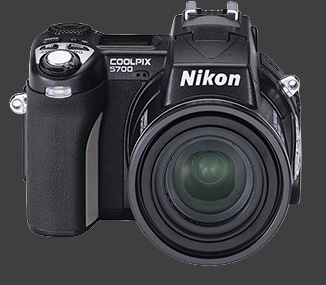 Five megapixels doesn't sound like much now, but 2560 × 1920 was quite respectable in 2002. DPReview found the 5700's resolution above average for the five-megapixel class and praised its metering, color and tonal balance. That lens was a big deal. A 35–280mm equivalent f/2.8–4.2 lens was extremely versatile. It was that day's digital "SuperZoom".
That camera took the "Bee and Lily" photo at the top of this article. I was at the Waco Zoo killing half a day during the US Open (of skeet) in which I was participating. I took that photo and sometime later thought, "Wow, that's not a bad picture, it might even be a photograph." I know it's not all that, but it was a big step up for me. It led me to believe that I might be able to take something other than a snapshot.
In 2004 I bought the Canon EOS 300, also known as the Digital Rebel. The Digital Rebel changed the photography industry by being the first consumer-targeted digital SLR camera priced under $1,000 (introduced at $999 with an 18-55mm kit lens). Digital photography was getting serious, though it was obvious it would never replace film. I took a couple of shots with it in Canada at Lake Obabika Lodge that did not completely suck. "Hmm", I thought, "this might be something."
In 2005 Wendy and I went to New Zealand for our 20th wedding anniversary, and the Digital Rebel went along. If you've been, you know NZ is a target rich environment for landscapes. Even I got a few good shots there out of the thousands that I took.
For the next 13 years I dabbled, but never really got serious about it as I was still self-employed and very busy with the printing company. I sold the company in 2013 and in late December of 2018 I retired. By then I had owned several really good cameras and I had made the shift to Sony, but I still sucked.
In February 2019 I took my first photo specific tour to Churchill Canada to photograph the Aurora. Later that year we did a trip to Moab for landscapes and night skies, mostly self-arranged. I did find a local guide. 2020 was a tough year and I stayed home mostly. In 2021 I took my first trip with Backcountry Journeys and I was off to the races. Along the way I was struck by the wisdom of the following quote:
“If you want to be a better photographer, stand in front of more interesting stuff.”- Jim Richardson.
I took that to heart and have now been all over the world. In 2027 I'll add Antarctica and Australia. I will have all 7 continents with the addition of Asia. 2028 maybe? Sometime after the first few trips I decided to mostly concentrate on wildlife, though I still dabble in landscapes when it is easy pickings.
 ) to see how your blog looks